
Managing Canine Cognitive Dysfunction Syndrome with Science-Backed Strategies and Technology
- Jan 8
- 3 min read
Canine Cognitive Dysfunction Syndrome (CCD) affects many aging dogs, causing changes in behavior and mental function that can deeply impact their quality of life. Similar to Alzheimer's disease in humans, CCD involves progressive cognitive decline, but with proper management, pet parents can help their dogs maintain comfort and engagement for as long as possible. Recognizing early signs and applying evidence-based strategies alongside modern technology can make a significant difference in managing this condition.
Understanding Canine Cognitive Dysfunction Syndrome
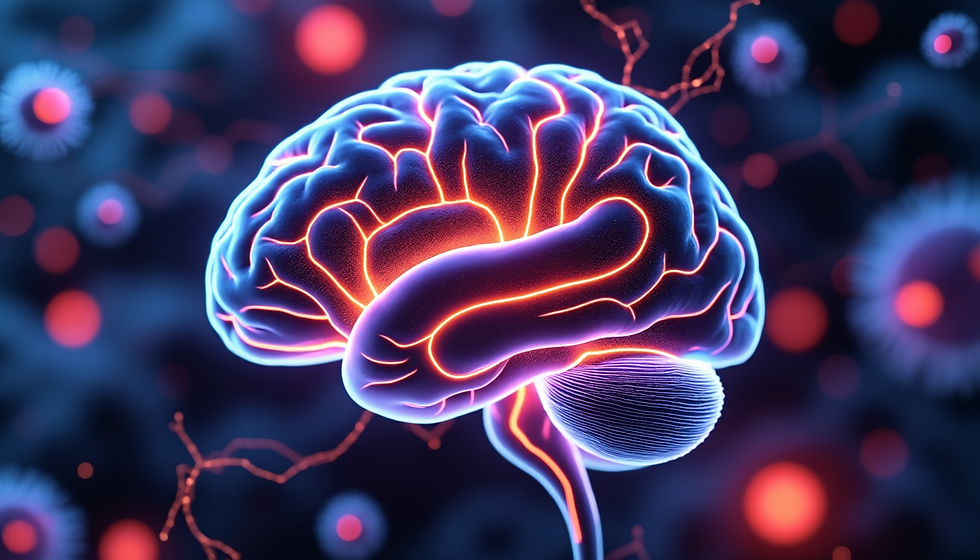
CCD is a neurodegenerative disorder commonly seen in senior dogs, typically over the age of 8. It results from changes in the brain that affect memory, learning, and awareness. While not identical, CCD shares many features with human Alzheimer's disease, including the buildup of abnormal proteins and loss of brain cells.
Early Warning Signs to Watch For
Detecting CCD early allows for timely intervention. Some common signs include:
Disorientation: Dogs may get lost in familiar places or seem confused about their surroundings.
Altered Sleep Patterns: Increased restlessness at night or sleeping more during the day.
Changes in Interaction: Reduced interest in socializing with family members or other pets.
House Soiling: Forgetting previously learned house training.
Repetitive Behaviors: Pacing, circling, or staring at walls.
If you notice these behaviors, consult your veterinarian for a thorough evaluation.

Evidence-Based Management Strategies
While CCD cannot be cured, research shows that certain approaches can slow cognitive decline and improve quality of life.
Environmental Enrichment
Creating a stimulating and predictable environment helps maintain mental function:
Consistent Routine: Keep feeding, walking, and playtimes regular to reduce confusion.
Interactive Toys: Use puzzle feeders or scent games to engage your dog’s brain.
Safe Exploration: Allow supervised access to new but safe areas to encourage curiosity.
Comfortable Spaces: Provide quiet, familiar resting places to reduce anxiety.
Nutritional Support
Certain nutrients support brain health and may slow cognitive decline:
Antioxidants: Vitamins E and C help reduce oxidative stress in brain cells.
Omega-3 Fatty Acids: Found in fish oil, these support neuron function.
Medium-Chain Triglycerides (MCTs): Provide alternative energy sources for brain cells.
Specialized Diets: Veterinary diets formulated for cognitive support have shown benefits in clinical studies.
Always discuss dietary changes with your veterinarian before starting supplements or new foods.
Specialized Routines and Training
Maintaining mental and physical activity is crucial:
Short Training Sessions: Teach new commands or tricks to stimulate learning.
Gentle Exercise: Regular walks tailored to your dog’s ability support overall health.
Social Interaction: Encourage positive contact with familiar people and pets.
Calming Techniques: Massage or gentle petting can reduce stress and improve well-being.
Technological Interventions for Monitoring and Support
Technology offers new tools for pet parents to track and manage CCD more effectively.
Pet Wearables
Devices designed for dogs can monitor activity levels, sleep patterns, and even location:
Activity Trackers: Help detect changes in movement or restlessness that may indicate worsening symptoms.
GPS Collars: Prevent disorientation-related wandering by alerting owners if dogs leave safe zones.
Health Monitoring: Some wearables track heart rate and other vital signs, providing a fuller picture of health.
Health Data Tracking Apps
Paired with wearables, apps allow owners to log behaviors, medication schedules, and vet visits:
Behavior Logs: Record changes in appetite, mood, or cognition to share with your veterinarian.
Medication Reminders: Ensure consistent treatment adherence.
Progress Reports: Visualize trends over time to adjust care plans as needed.
Using these tools helps owners stay proactive and informed, improving communication with veterinary professionals.
Supporting Your Aging Dog with Compassion and Care
Managing CCD requires patience and dedication. By combining science-backed strategies with technology, pet parents can create a supportive environment that respects their dog’s changing needs. Early recognition, consistent routines, proper nutrition, and monitoring empower owners to make informed decisions and maintain their dog’s quality of life.
Regular veterinary check-ups remain essential. Veterinarians can tailor management plans, recommend appropriate supplements or medications, and provide guidance on the latest tools and therapies.
About the Author
Dr. Nath is a veterinary medicine specialist dedicated to advanced pet care, geriatrics, and tech-driven pet wellness. With a focus on evidence-based longevity, she combines clinical expertise with modern innovation to help pet parents navigate the aging journey of their companions with dignity, science, and compassion.


Comments