
Understanding Metabolic Rates in Small Mammals and Their Implications for Exotic Pet Care
Small exotic mammals such as rabbits, guinea pigs, and hedgehogs possess metabolic systems that operate at a high velocity. Their fragile physiology demands precise thermal regulation to maintain homeostasis. Even slight ambient temperature drops can trigger rapid metabolic disturbances, leading to severe medical emergencies. This post explores the unique metabolic characteristics of these animals, the role of smart climate monitoring, and practical approaches to safeguarding their health.
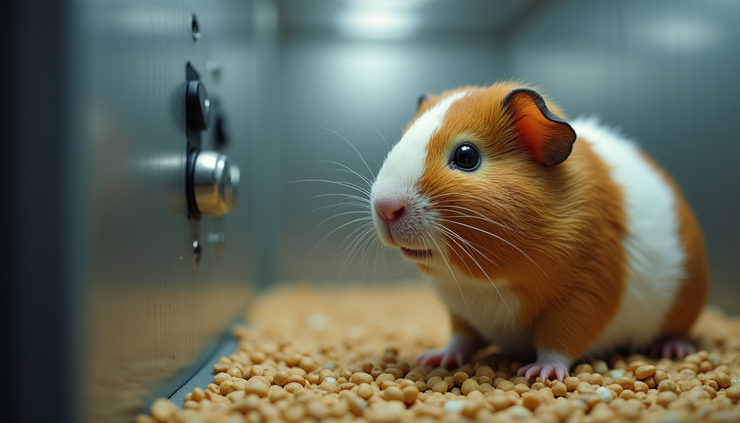
High-Velocity Metabolism in Small Exotic Mammals
Small mammals have a high surface area-to-volume ratio, which accelerates heat loss. Their metabolic rate is correspondingly elevated to generate sufficient body heat. This rapid metabolism supports vital functions but also creates vulnerability:
Fragile metabolic balance: Exotic mammals rely on a narrow temperature range to sustain enzymatic and cellular processes. A drop of just a few degrees Celsius can impair digestion, immune response, and cardiovascular function.
Immediate medical crises: Hypothermia onset in these species can be swift and severe. For example, a guinea pig exposed to temperatures below 18°C may develop lethargy, anorexia, and respiratory distress within hours.
Energy demands: Maintaining body temperature consumes a significant portion of their caloric intake. Inadequate nutrition combined with cold stress can precipitate metabolic collapse.
Veterinary studies confirm that ambient temperature fluctuations are a leading cause of emergency visits for exotic pets. Owners must understand that these animals cannot tolerate the same environmental variability as traditional pets like cats or dogs.
Smart Climate Architecture for Continuous Thermal Monitoring
Advances in sensor technology enable continuous monitoring of environmental conditions critical to exotic pet health. Smart climate systems integrate thermal sensors, humidity detectors, and automated controls to maintain optimal habitats.
Key features include:
Real-time temperature tracking: Sensors placed within enclosures provide minute-by-minute data on ambient temperature, alerting owners to deviations outside safe ranges.
Automated climate control: Heating elements and ventilation systems adjust dynamically based on sensor input, preventing rapid temperature drops or spikes.
Data logging and analysis: Historical environmental data helps identify patterns that may affect metabolic stability, such as nighttime cooling or seasonal changes.
Remote alerts: Mobile notifications allow owners and veterinarians to respond promptly to environmental risks, reducing the likelihood of metabolic emergencies.
For example, a hedgehog enclosure equipped with smart sensors can maintain a steady 24°C environment, critical for its metabolic function. If the temperature falls below 22°C, the system activates heating pads and sends an alert to the owner’s smartphone.
Practical Implications for Exotic Pet Care
Understanding the metabolic sensitivity of small mammals informs several care strategies:
Stable ambient temperature: Maintain enclosure temperatures within species-specific ranges—rabbits generally require 16–21°C, guinea pigs 18–24°C, and hedgehogs 22–26°C.
Use of smart sensors: Incorporate continuous monitoring devices to detect and correct environmental fluctuations before they impact the animal.
Nutritional support: Provide diets rich in energy to meet the high metabolic demands, especially during colder periods.
Regular health checks: Monitor for early signs of hypothermia or metabolic distress, such as reduced activity or poor appetite.
Emergency preparedness: Have protocols and equipment ready to warm animals safely if temperature drops occur.
Veterinary professionals recommend integrating technology with traditional husbandry to enhance the welfare of exotic pets. This approach reduces stress on animals and improves outcomes in clinical settings.
Summary
Small exotic mammals depend on precise thermal regulation due to their high-velocity metabolism and fragile physiological balance. Even minor ambient temperature drops can cause rapid metabolic crises. Smart climate architecture using continuous sensor monitoring offers a powerful tool to maintain stable environments and prevent emergencies. Pet owners and veterinarians should prioritize stable temperatures, nutritional adequacy, and early intervention to support these sensitive species.
By adopting technology-driven environmental monitoring alongside informed care practices, the health and longevity of exotic small mammals can be significantly improved.
About the Author
Dr. Nath is a veterinary medicine specialist focused on advanced pet care, exotic animal medicine, and technology-driven wellness solutions. With over a decade of experience, Dr. Nath advocates for integrating scientific research and innovative tools to enhance the lives of exotic pets and their owners.
Comments