
Acclimatization Strategies for Ensuring Pet Thermoregulation During Travel Challenges
Traveling with pets, especially over long distances and through varying altitudes, presents unique challenges to their thermoregulation systems. Pets rely on precise physiological mechanisms to maintain stable body temperatures, and abrupt changes in barometric pressure and environmental temperature can disrupt these processes. This disruption is particularly critical for brachycephalic breeds, whose respiratory efficiency is already compromised. Understanding how to protect pets during such relocations requires a detailed look at thermoregulatory boundaries, the physics of safe shipping, and hydration management.
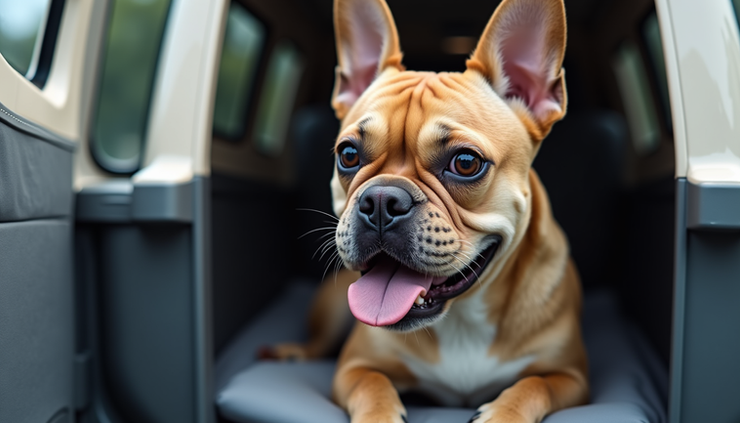
Thermoregulatory Boundaries and Respiratory Efficiency
Pets maintain their core temperature through a combination of heat production and heat loss mechanisms. The respiratory system plays a vital role in this balance by facilitating evaporative cooling through panting. However, rapid shifts in barometric pressure and ambient temperature during travel can impair this function.
Impact of Barometric Pressure Changes
At high altitudes, barometric pressure decreases, leading to lower oxygen availability. This hypobaric hypoxia challenges the pet’s respiratory system, forcing it to work harder to oxygenate blood. For brachycephalic breeds such as Bulldogs, Pugs, and French Bulldogs, whose shortened airways already restrict airflow, this increased demand can cause respiratory distress. Their limited ability to dissipate heat through panting increases the risk of hyperthermia.
Environmental Temperature Fluctuations
Travel often exposes pets to sudden temperature changes, from warm ground-level environments to cold, pressurized aircraft cabins or cargo holds. Pets must adjust their thermoregulatory responses quickly. Cold environments can induce vasoconstriction, reducing heat loss but risking hypothermia if prolonged. Conversely, warm environments increase the need for evaporative cooling, which may be insufficient in pets with compromised respiratory function.
Practical Considerations
Pre-travel acclimatization: Gradually exposing pets to temperature and altitude changes over days or weeks can improve their physiological tolerance.
Breed-specific precautions: Brachycephalic breeds require additional monitoring and should avoid unnecessary exposure to high altitudes.
Monitoring respiratory rate and effort: Early signs of distress include increased panting, open-mouth breathing, and lethargy.
The Physics of Safe Shipping: Airflow and Hydration Kinetics
Maintaining a stable microenvironment during transit is essential to support pet thermoregulation. Two critical factors are continuous airflow and hydration kinetics.
Continuous Airflow Requirements
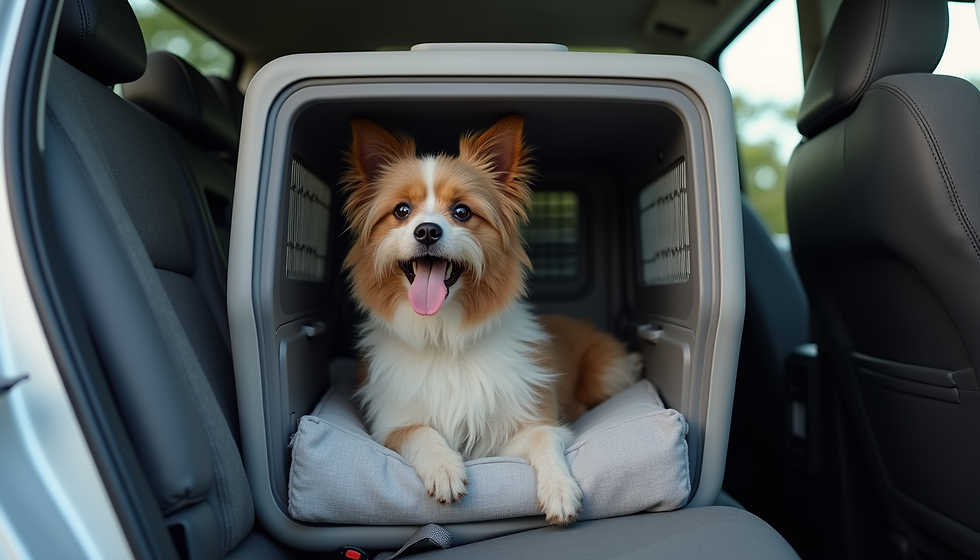
Air circulation within pet carriers or cargo compartments prevents heat buildup and maintains oxygen levels. The physics of airflow involves ensuring adequate ventilation without causing drafts that could chill the animal.
Ventilation design: Carriers should have multiple vents positioned to allow cross-ventilation.
Air exchange rates: Studies suggest a minimum of 10 air changes per hour in cargo holds to maintain air quality.
Temperature control: Airflow must be temperature-regulated to avoid extremes.
Hydration Kinetics During Transit
Hydration supports thermoregulation by facilitating evaporative cooling and maintaining blood volume. During multi-hour flights or drives, pets may reduce water intake due to stress or limited access.
Pre-hydration: Ensuring pets are well-hydrated before travel reduces dehydration risk.
Water availability: Providing water during transit, especially on long flights, is critical.
Electrolyte balance: Supplementing water with electrolytes can support hydration status and prevent imbalances caused by panting.
Example Scenario
A medium-sized dog traveling in the cargo hold of an aircraft for 8 hours requires a carrier with adequate ventilation and access to water. The carrier should be positioned away from direct sunlight and temperature extremes. The dog’s hydration status should be assessed before and after the flight to detect any signs of dehydration.
Strategies to Support Pet Thermoregulation During Travel
Implementing acclimatization and environmental controls can reduce risks associated with pet travel.
Gradual altitude exposure: For pets traveling to high-altitude destinations, incremental exposure over several days helps physiological adaptation.
Climate-controlled transport: Use vehicles or aircraft cabins with regulated temperature and humidity.
Carrier modifications: Incorporate breathable materials and ventilation systems designed for airflow without drafts.
Monitoring devices: Employ wearable sensors to track temperature, respiratory rate, and hydration status in real time.
Veterinary consultation: Prior to travel, consult with a veterinarian to assess individual pet risks and develop a tailored plan.
Pets face significant thermoregulatory challenges during high-altitude and long-distance travel. Understanding the physiological impacts of barometric and temperature shifts, ensuring proper airflow and hydration, and applying acclimatization strategies are essential to protect their health. Careful planning and monitoring can make travel safer and more comfortable for pets, especially those with vulnerable respiratory systems.
About the Author
Dr. Nath is a veterinary medicine specialist dedicated to advanced pet care, animal physiology, and tech-driven pet wellness. Specializing in travel safety and thermoregulatory management, she provides pet parents and professionals with science-backed protocols to protect vulnerable breeds during relocation and long-distance transit.
Comments