
Understanding Kinematics of Travel Stress in Pets: Managing Motion Sickness and Anxiety
Traveling with pets can be a challenging experience, especially when they show signs of distress. Many dogs and cats suffer from motion sickness or anxiety during transport, which affects their well-being and safety. Understanding the physiological and psychological factors behind these reactions is essential for pet owners and veterinarians to provide effective care. This article explores the biological mechanisms of travel stress, clinical prevention methods, and modern gear solutions that help protect pets during journeys.
The Physiology of Motion in Pets
Motion sickness and travel anxiety in pets arise from different biological and psychological processes. Understanding these mechanisms helps differentiate symptoms and tailor interventions.
Vestibular Disturbance and Motion Sickness
Motion sickness occurs when the vestibular system in the inner ear detects conflicting signals about movement. This system helps maintain balance and spatial orientation by sensing acceleration and position changes. When a pet is in a moving vehicle, the eyes, inner ear, and body may send mismatched information to the brain. For example, the inner ear senses motion, but the eyes may see a stationary environment inside the car. This sensory conflict triggers nausea, dizziness, drooling, and vomiting.
Dogs and cats have sensitive vestibular systems, making them prone to motion sickness, especially during car rides or air travel. Young animals and those with a history of vestibular disorders are more susceptible. Symptoms often include:
Excessive salivation
Restlessness or pacing
Vomiting or gagging
Lethargy after travel
Psychological Travel Anxiety
Travel anxiety is a separate condition rooted in fear and stress rather than physical imbalance. Pets may associate travel with negative experiences such as loud noises, confinement, or separation from familiar environments. Anxiety triggers the release of stress hormones like cortisol, which can cause trembling, panting, whining, and attempts to escape.
Unlike motion sickness, anxiety does not usually cause nausea or vomiting unless it overlaps with vestibular disturbance. Behavioral signs include:
Vocalization (whining, barking, meowing)
Clinginess or hiding
Aggression or destructive behavior
Refusal to enter carriers or vehicles
Recognizing whether a pet’s distress is due to motion sickness or anxiety is crucial for effective management.
Clinical Prevention Strategies
Veterinarians recommend several approaches to prevent or reduce travel stress in pets. These methods address both physical and psychological causes.
Structural Crating and Positioning
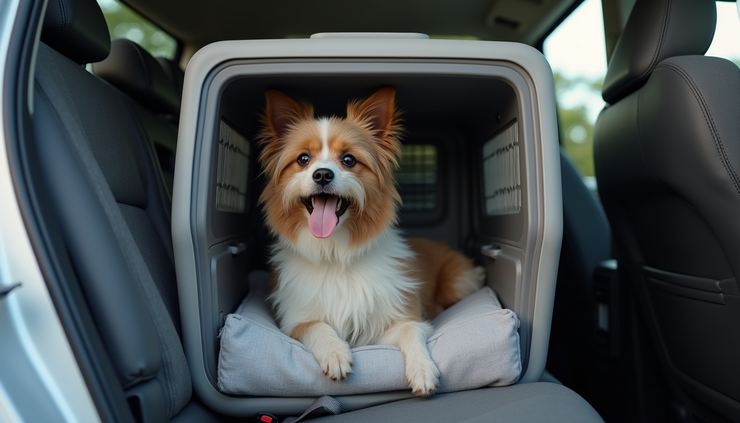
Proper crate design and placement inside the vehicle can minimize vestibular disturbance. Key points include:
Use crates that provide enough space for the pet to stand, turn, and lie down comfortably.
Position crates where motion is least felt, such as the center of the back seat or the floor behind the front seats.
Ensure crates have good ventilation and visibility to reduce claustrophobia.
Secure crates firmly to prevent excessive movement during travel.
This structural support helps stabilize the pet’s body and reduces conflicting sensory input.
Natural Neuro-Calming Supplements
Certain supplements have shown promise in calming the nervous system and reducing travel anxiety or motion sickness symptoms. Common options include:
L-theanine: An amino acid that promotes relaxation without sedation.
Ginger root extract: Known to reduce nausea and improve gastrointestinal comfort.
Chamomile and valerian root: Herbal remedies with mild calming effects.
Omega-3 fatty acids: Support brain health and reduce inflammation.
Always consult a veterinarian before administering supplements to ensure safety and appropriate dosing.
Behavioral Conditioning
Gradual desensitization to travel can reduce anxiety. Techniques involve:
Short, frequent trips to build positive associations.
Rewarding calm behavior with treats and praise.
Using pheromone sprays or collars to create a soothing environment.
Combining behavioral training with clinical prevention improves outcomes.
Smart Gear Solutions for Travel Stress
Advances in pet travel gear now offer enhanced protection and monitoring during transport.
Ergonomic Travel Gear
Modern crates and carriers are designed with pet comfort and safety in mind. Features include:
Contoured shapes that support natural posture.
Breathable materials to regulate temperature.
Padded interiors to reduce vibration impact.
These improvements reduce physical stress and help pets relax.
Micro-Climate Crates
Micro-climate crates incorporate temperature and humidity control to maintain an optimal environment. This technology prevents overheating or chilling, which can exacerbate stress and sickness. Some crates include:
Built-in fans or ventilation systems.
Insulated walls to stabilize temperature.
Moisture-wicking liners to keep pets dry.
Maintaining a stable micro-climate supports physiological comfort during travel.
Real-Time Biometric Tracking
Wearable devices for pets now allow real-time monitoring of vital signs such as heart rate, respiratory rate, and activity levels. This data helps owners and veterinarians detect early signs of distress and intervene promptly. Benefits include:
Alerts for elevated stress or abnormal vitals.
Data-driven adjustments to travel conditions.
Enhanced safety through continuous health monitoring.
Integrating biometric tracking with ergonomic gear creates a comprehensive travel solution.
Travel stress in pets involves complex interactions between physical and psychological factors. Understanding the kinematics of motion sickness and anxiety enables targeted prevention and care. Structural crate positioning, natural supplements, and behavioral conditioning form the foundation of clinical strategies. Meanwhile, smart travel gear and biometric monitoring provide new tools to safeguard pet health during journeys.
Dr. Nath is a veterinary medicine specialist with a focus on advanced pet care, canine behavior, and wellness solutions. Dedicated to improving animal health through science and compassionate practice, Dr. Nath combines clinical expertise with innovative approaches to enhance the travel experience for pets and their owners.
Comments