
Renal Perfusion and Glomerular Filtration in Felines Key Insights for Preventing Chronic Kidney Disease
Chronic Kidney Disease (CKD) is one of the most common and serious health challenges affecting cats, especially as they age. Early detection and prevention are critical to improving outcomes and quality of life for feline patients. Understanding the delicate balance of renal perfusion and glomerular filtration in cats provides a foundation for early screening and intervention. This article explores why feline kidneys are particularly vulnerable, the role of biomarkers in early diagnosis, and how maintaining optimal hydration supports kidney function.
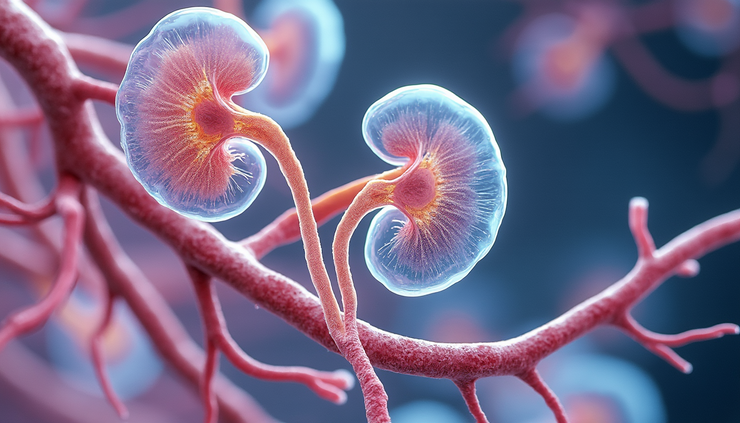
The Vulnerability of Feline Nephrons
Cats have a unique susceptibility to CKD due to several physiological and anatomical factors affecting their nephrons, the functional units of the kidney responsible for filtering blood.
High Metabolic Demand
Feline nephrons operate under a high metabolic rate, which increases their vulnerability to oxidative stress and cellular damage over time.
Limited Nephron Reserve
Cats have fewer nephrons compared to other species relative to body size. This limited reserve means that loss of even a small number of nephrons significantly impairs overall kidney function.
Age-Related Decline in Renal Perfusion
Renal perfusion, the blood flow through the kidneys, naturally declines with age in cats. Reduced perfusion decreases oxygen and nutrient delivery to nephrons, accelerating nephron loss and functional decline.
Susceptibility to Ischemic Injury
Cats are prone to episodes of reduced kidney blood flow due to dehydration, hypotension, or other systemic illnesses. These ischemic events cause acute damage that can progress to chronic injury.
Progressive Glomerulosclerosis
With age and injury, glomeruli—the filtering units within nephrons—undergo sclerosis or scarring. This reduces the glomerular filtration rate (GFR), the key measure of kidney function.
Understanding these vulnerabilities highlights the importance of early detection and intervention before irreversible nephron loss occurs.
Biomarkers and Screening for Early Detection
Early screening for CKD in cats relies on sensitive biomarkers and diagnostic tests that detect kidney dysfunction before clinical signs appear.
Symmetric Dimethylarginine (SDMA)
SDMA is a methylated form of the amino acid arginine released during protein turnover. It is excreted almost exclusively by the kidneys, making it a highly sensitive marker of reduced GFR. SDMA levels rise earlier than traditional markers, allowing detection of kidney impairment up to 17 months before creatinine increases.
Serum Creatinine
Creatinine is a waste product of muscle metabolism filtered by the kidneys. Elevated serum creatinine indicates decreased GFR but is less sensitive than SDMA, especially in early CKD stages or cats with low muscle mass.
Urinalysis
Urinalysis provides valuable information on kidney function and damage. Key parameters include:
- Urine specific gravity (USG): Low USG indicates impaired concentrating ability.
- Proteinuria: Presence of protein in urine signals glomerular damage.
- Urine sediment analysis: Detects casts or cells indicative of inflammation or infection.
Blood Pressure Monitoring
Hypertension often accompanies CKD and worsens kidney damage. Regular blood pressure checks help identify and manage this risk factor.
Imaging
Ultrasound can assess kidney size, shape, and structural abnormalities that may indicate chronic damage.
Routine screening using these tools in middle-aged and senior cats enables earlier diagnosis and timely management.
Hydration Kinetics and Preservation of Glomerular Filtration Rate
Maintaining optimal hydration is essential to preserving renal perfusion and glomerular filtration rate (GFR) in cats. Dehydration reduces blood volume and renal blood flow, impairing filtration and accelerating nephron injury.
Continuous Hydration Supports Renal Blood Flow
Adequate fluid intake maintains circulating volume and perfusion pressure, ensuring nephrons receive sufficient oxygen and nutrients.
Hydration and Waste Clearance
Proper hydration facilitates the elimination of metabolic waste and toxins, reducing nephron stress.
Smart Hydration Ecosystems
Emerging technologies such as automated water fountains and hydration monitoring devices help ensure cats maintain consistent fluid intake. These systems encourage drinking behavior and alert owners to changes in hydration status.
Dietary Considerations
Wet food diets contribute significantly to daily water intake, supporting hydration without relying solely on voluntary drinking.
Clinical Evidence
Studies show that cats with CKD who maintain better hydration have slower progression of kidney disease and improved survival times.
Encouraging consistent hydration through environmental enrichment and diet is a practical strategy to support kidney health.
Kidney disease in cats often progresses silently until significant damage occurs. By understanding the vulnerability of feline nephrons, utilizing sensitive biomarkers like SDMA and creatinine for early screening, and prioritizing continuous optimal hydration, veterinarians and cat owners can work together to detect CKD early and slow its progression. Integrating smart hydration tools and regular monitoring into feline care routines offers a promising approach to preserving renal function and enhancing quality of life.
About the Author
Dr. Nath is a veterinary medicine specialist dedicated to advanced pet care, feline medicine, and tech-driven pet wellness. Specializing in nephrology and preventative longevity, she works to bridge the gap between clinical science and home innovation, helping cat parents detect silent illnesses early and preserve their companions' vital health.
Comments