
Understanding the Feline Microbiome's Role in Immune Health and Longevity
The feline gut hosts a complex community of microorganisms that play a crucial role in maintaining overall health. Recent scientific advances reveal that this microbiome is not just a passive inhabitant but an active regulator of immune function and longevity in cats. Understanding how the gut microbiome interacts with the brain and immune system opens new avenues for improving feline health through targeted nutrition and microbiome modulation.
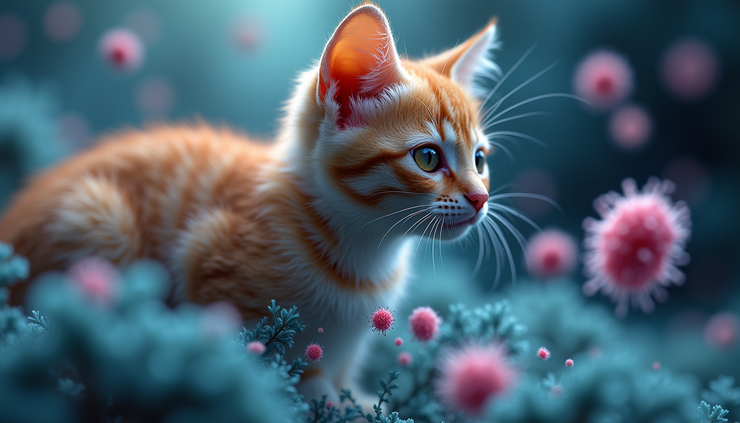
The Gut-Brain-Immune Axis in Cats
The feline microbiome consists of trillions of bacteria, fungi, viruses, and other microbes living primarily in the gastrointestinal tract. This ecosystem forms a dynamic interface between the external environment and the cat’s internal systems. The gut-brain-immune axis describes the bidirectional communication network linking the gut microbiome, the central nervous system, and the immune system.
Microbial metabolites such as short-chain fatty acids (SCFAs) influence immune cell development and function. For example, butyrate, a SCFA produced by beneficial gut bacteria, supports the integrity of the intestinal barrier and regulates inflammation. This helps prevent pathogens from entering the bloodstream and triggering systemic immune responses.
Neurotransmitters produced by gut microbes also affect brain function and behavior, which in turn modulate immune responses. This complex interplay means that a healthy microbiome supports balanced immune activity, reducing the risk of overactive inflammation or immune suppression.
In cats, maintaining this balance is critical because their immune systems are finely tuned to respond to environmental challenges while avoiding excessive reactions that can lead to chronic disease.
Dysbiosis and Chronic Illness in Cats
Dysbiosis refers to an imbalance in the microbial community, where harmful bacteria outnumber beneficial ones. This imbalance disrupts the gut-brain-immune axis and can contribute to several chronic conditions in cats.
One common consequence of dysbiosis is inflammatory bowel disease (IBD), a condition marked by chronic inflammation of the digestive tract. Research shows that cats with IBD often have reduced microbial diversity and altered bacterial populations, which impair gut barrier function and promote immune dysregulation.
Metabolic changes linked to dysbiosis include impaired nutrient absorption and altered energy metabolism. These changes can lead to weight loss, muscle wasting, or obesity, all of which negatively impact longevity.
Poor coat quality is another visible sign of microbiome imbalance. A disrupted gut ecosystem can reduce the absorption of essential fatty acids and vitamins, leading to dull, brittle fur and increased shedding.
Addressing dysbiosis early is vital to prevent these chronic issues and support long-term health.
Modulating the Microbiome for Better Health
Scientific studies support several evidence-based strategies to restore and maintain a healthy feline microbiome:
Targeted Prebiotics
Prebiotics are non-digestible fibers that selectively feed beneficial gut bacteria. Ingredients such as fructooligosaccharides (FOS) and inulin promote the growth of SCFA-producing microbes, enhancing gut barrier function and immune regulation.
Probiotics
Probiotics are live microorganisms that confer health benefits when administered in adequate amounts. Strains like Lactobacillus acidophilus and Bifidobacterium animalis have shown promise in reducing inflammation and improving gut health in cats with digestive disorders.
Species-Appropriate Nutrition
Cats are obligate carnivores, and their diet profoundly influences their microbiome composition. High-protein, low-carbohydrate diets that mimic natural prey support a microbiome rich in beneficial bacteria. Avoiding excessive fillers and artificial additives helps maintain microbial balance.
Combining these approaches can create a synergistic effect, improving gut health and immune resilience. Regular veterinary assessment and microbiome testing can guide personalized interventions.
Proactive Gut Health Management for Longevity
Focusing on the feline microbiome offers a proactive path to enhancing immune function and extending healthy lifespan. Early detection of microbiome imbalances through stool analysis and clinical signs allows timely intervention.
Owners and veterinarians should prioritize:
Routine monitoring of digestive health and coat condition
Incorporating prebiotics and probiotics into diets when appropriate
Choosing high-quality, species-appropriate foods
Minimizing unnecessary antibiotic use that disrupts microbial communities
By supporting the gut-brain-immune axis, cats can better resist infections, reduce chronic inflammation, and maintain vitality into their senior years.
About the Author
Dr. Nath is a veterinary specialist dedicated to advanced pet care, nutrition, and tech-driven pet wellness. With extensive experience in feline health, Dr. Nath focuses on integrating scientific research into practical strategies that enhance pets’ quality of life.

Comments