
The Science of Biomarkers and Smart Technology in Early Pet Health Detection
Pets, especially cats, often hide signs of pain and illness. This behavior can delay diagnosis and treatment, putting their health at risk. Understanding how pets mask discomfort and recognizing subtle behavioral changes can help owners and veterinarians detect health issues early. Advances in technology, such as automated litter boxes and smart feeders, now allow continuous monitoring of these subtle signals. These tools identify silent pain before it becomes obvious, improving pet care and outcomes.
The Masking Phenomenon in Pets
Cats and many other animals have evolved to hide signs of pain or weakness. This instinct helped them avoid predators and maintain social status in the wild. Unfortunately, this survival mechanism makes it difficult for owners to notice when their pets are suffering.
Evolutionary survival
Animals that show pain risk becoming targets for predators or losing access to resources. This leads to a natural tendency to conceal discomfort.
Subtle signs often missed
Pets may reduce activity, eat less, or change grooming habits, but these changes are easy to overlook without close observation.
Delayed veterinary care
Because symptoms are hidden, many pets only receive treatment when conditions have advanced, reducing the chances of full recovery.
Understanding this behavior highlights the need for tools that detect early, subtle changes in pet health.
Behavioral Biomarkers as Early Warning Signs
Behavioral biomarkers are measurable changes in a pet’s habits that indicate underlying health problems. These markers often appear before clear clinical symptoms.
Weight fluctuations
Small, consistent weight loss or gain can signal metabolic disorders, diabetes, or thyroid issues.
Feeding frequency and amount
Changes in how often or how much a pet eats may indicate dental pain, digestive problems, or systemic illness.
Litter box visit duration and frequency
Longer or more frequent visits can point to urinary tract infections, kidney disease, or arthritis making movement painful.
Activity levels and mobility
Reduced movement or reluctance to jump may suggest arthritis or other musculoskeletal problems.
Tracking these biomarkers provides a window into a pet’s health before visible symptoms appear.
Automated Tracking Solutions for Early Detection
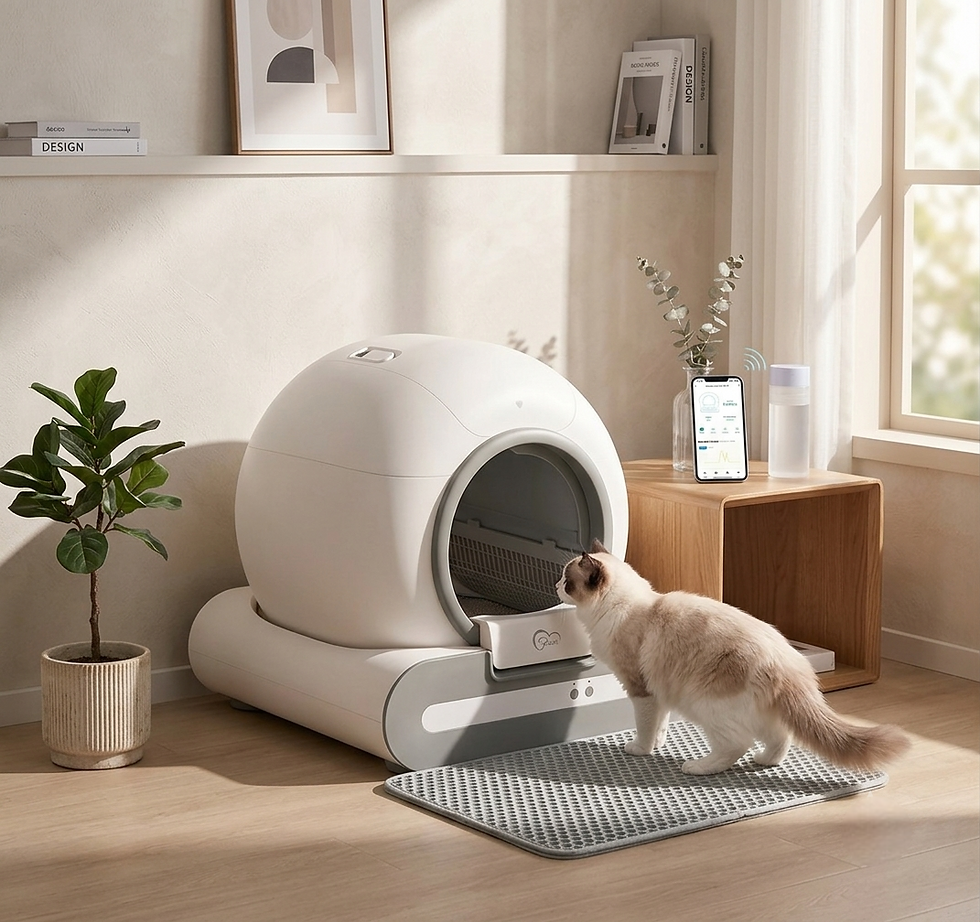
Smart feeders and automated litter boxes use sensors and data analytics to monitor pets continuously. These devices collect detailed information that helps identify health changes early.
Smart feeders
These devices record how much and how often a pet eats. They can detect subtle shifts in appetite or feeding patterns that may indicate illness.
Automated litter boxes
Equipped with weight sensors and timers, these litter boxes track frequency and duration of use. They can detect changes related to urinary or digestive health.
Data alerts
When unusual patterns emerge, owners receive notifications to seek veterinary advice promptly.
Long-term health tracking
Continuous data collection allows comparison over weeks or months, revealing trends that single observations miss.
Examples in practice
A cat with early arthritis may visit the litter box less frequently or take longer, signaling discomfort. A smart feeder might detect reduced food intake due to dental pain.
These technologies support proactive pet care by catching silent pain early.
Practical Tips for Pet Owners
Use smart feeders and automated litter boxes to monitor your pet’s health daily.
Pay attention to small changes in eating habits or litter box use.
Share data from these devices with your veterinarian for better diagnosis.
Combine technology with regular physical exams and observation.
Act quickly on alerts or unusual patterns to prevent worsening conditions.
Summary
Pets often hide pain, making early detection of illness difficult. Behavioral biomarkers such as changes in weight, feeding, and litter box habits provide critical clues. Automated feeders and litter boxes offer continuous monitoring, catching silent health issues before they become severe. Using these tools alongside veterinary care helps protect pets and improve their quality of life.
About the Author
Dr. Nath is a veterinary medicine specialist dedicated to advanced pet care, internal medicine, and tech-driven pet wellness. Specializing in preventative longevity and diagnostics, she guides pet parents in leveraging smart data to uncover silent symptoms, ensuring early intervention and a higher quality of life for our companions.



Comments