
The Chemistry of Clean: Understanding Pet Micro-Biomes and Safe Sanitization Practices
Pets bring joy and companionship to our homes, but they also introduce a complex ecosystem of microorganisms and organic matter. Understanding the chemistry behind pet living spaces and how to clean them safely is essential for maintaining a healthy environment for both pets and humans. This post explores the accumulation of pet-related biological materials, the risks of harsh chemical cleaners, and the science behind bio-compatible sanitization methods designed specifically for pet households.
The Household Ecosystem: What Builds Up in Pet Spaces
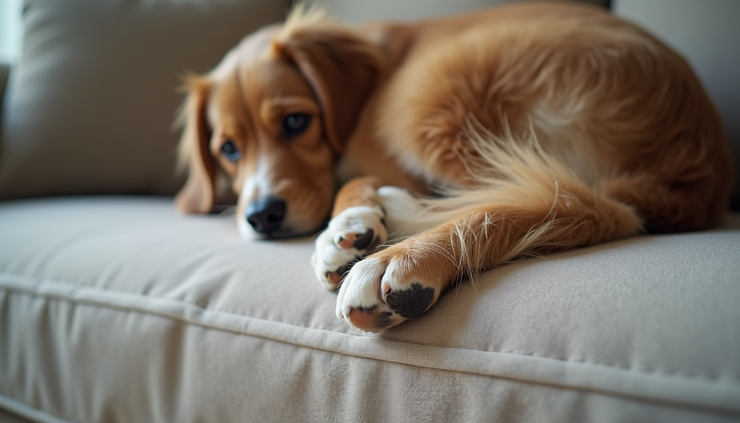
Homes with pets develop a unique micro-biome, a mix of living microorganisms and organic debris that accumulates on surfaces and fabrics. This ecosystem includes:
Pet dander: Tiny flakes of skin shed by cats, dogs, and other animals. Dander is a common allergen and can cling to furniture, carpets, and bedding.
Saliva and bodily fluids: Pets often leave saliva on toys, floors, and upholstery, which contains proteins and enzymes that can support microbial growth.
Outdoor microorganisms: Pets track in bacteria, fungi, pollen, and dirt from outside, introducing a variety of microbes into the home environment.
These components interact and settle on surfaces, creating a complex biological layer. For example, pet dander mixed with dust mites and bacteria can worsen allergies or respiratory issues in sensitive individuals. Fabrics like carpets and cushions trap these particles deeply, making them difficult to remove with simple vacuuming.
Understanding this ecosystem helps explain why regular cleaning is necessary but also why the choice of cleaning agents matters. The goal is to reduce harmful microbes and allergens without disrupting the balance of beneficial microorganisms or exposing pets to toxic substances.
The Danger of Harsh Toxins in Traditional Cleaners
Many conventional household cleaners contain chemicals that effectively kill germs but pose risks to pets. Common ingredients such as ammonia, bleach, phenols, and artificial fragrances can cause:
Respiratory distress: Pets have sensitive respiratory systems. Exposure to strong fumes or residues can trigger coughing, sneezing, or even asthma-like symptoms.
Contact dermatitis: Skin irritation or allergic reactions can occur when pets come into contact with surfaces cleaned with harsh chemicals.
Toxic ingestion: Pets often lick floors or furniture, risking ingestion of harmful residues that can lead to poisoning or gastrointestinal upset.
For example, phenol-based cleaners are particularly toxic to cats, even in small amounts. Bleach, while effective against many pathogens, can cause burns or respiratory issues if not properly diluted and rinsed.
These risks highlight the need for cleaning solutions that protect pet health while maintaining hygiene. Using harsh chemicals may solve one problem but create another, especially in homes with young animals or those with pre-existing health conditions.
Bio-Compatible Solutions for Pet-Safe Sanitization
Science has developed alternatives that clean effectively without harming pets or the environment. These bio-compatible solutions include:
Enzymatic Cleaners
Enzymatic cleaners use natural enzymes to break down organic matter such as proteins, fats, and carbohydrates found in pet stains and odors. These enzymes target the source of the mess rather than just masking it.
How they work: Enzymes catalyze the breakdown of complex molecules into simpler, non-toxic components.
Benefits: They reduce odors, remove stains, and limit microbial growth without harsh chemicals.
Example: Protease enzymes break down protein-based stains like saliva or urine, making them easier to clean.
Pet-Safe Smart Sanitization Tools
Advances in technology have introduced smart cleaning devices designed for pet environments:
UV-C light sanitizers: These devices use ultraviolet light to kill bacteria and viruses on surfaces without chemicals. They are safe when used according to instructions and do not leave residues.
Steam cleaners: High-temperature steam kills microbes and loosens dirt without chemicals. Steam cleaning is effective on carpets and upholstery.
Hypochlorous acid (HOCl) sprays: HOCl is a naturally occurring disinfectant produced by the immune system. Commercially available HOCl sprays sanitize surfaces safely and break down quickly without toxic residues.
Using these tools supports a cleaner, healthier home while respecting the delicate balance of the pet micro-biome.
Practical Tips for Maintaining a Healthy Pet Environment
Regular vacuuming with HEPA filters reduces dander and dust mites.
Wash pet bedding weekly with mild, enzymatic detergents.
Use enzymatic cleaners promptly on accidents to prevent stains and odors.
Ventilate rooms well during and after cleaning to reduce chemical buildup.
Choose pet-safe products labeled non-toxic and free of harsh chemicals.
Incorporate smart sanitizers like UV-C devices or steam cleaners for deep cleaning.
Maintaining a clean home with pets requires understanding the unique biological environment they create. Avoiding harsh chemicals and embracing bio-compatible cleaning methods protects your pets’ health and keeps your living space fresh and safe. By choosing enzymatic cleaners and smart sanitization tools, you support a balanced micro-biome that benefits everyone under your roof.
About the Author
Dr. Nath is a veterinary medicine specialist focused on advanced pet care and technology-driven wellness solutions. With years of experience in clinical practice and research, Dr. Nath advocates for science-based approaches to improve the health and happiness of pets and their families.
Comments