
The Science Behind Safe and Effective Sanitization in Pet Living Spaces
Keeping a home clean when pets share the space is a challenge that goes beyond simple tidying. Pet living areas become complex ecosystems where biological materials like dander, saliva, and outdoor microbes accumulate. Understanding the chemistry behind these environments and how to sanitize them safely is essential for pet owners who want to protect their animals’ health without exposing them to harmful chemicals. This post explores the household ecosystem of pet spaces, the risks of traditional cleaners, and the science supporting bio-compatible sanitization methods.
The Household Ecosystem in Pet Living Spaces
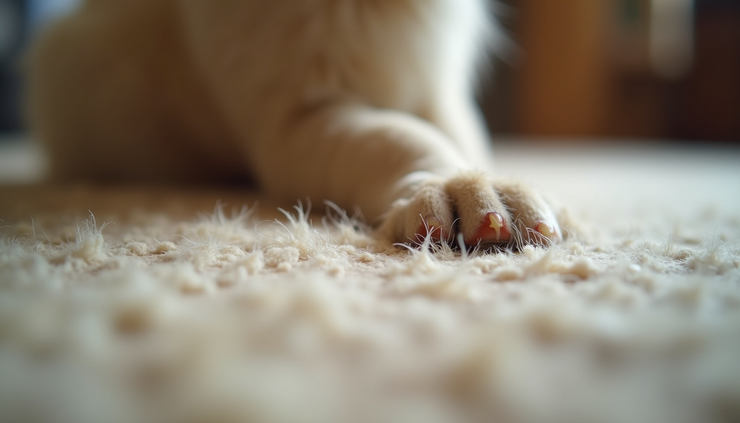
Homes with pets develop unique biological environments. Pet dander, tiny flakes of skin shed by animals, accumulates on surfaces and fabrics. This dander carries proteins that can trigger allergies in humans and animals alike. Saliva from licking and grooming deposits enzymes and microbes onto floors, furniture, and bedding. Outdoor microorganisms hitch a ride on pets’ fur and paws, introducing bacteria, fungi, and viruses into the home.
These biological materials interact with dust, human skin cells, and household microbes, creating a complex micro-biome. For example:
Pet dander settles on carpets, upholstery, and curtains, often becoming airborne.
Saliva residues can leave organic stains that harbor bacteria.
Outdoor microbes brought inside can include soil bacteria and plant fungi, some of which may be harmless, while others could cause infections or allergic reactions.
This accumulation creates a persistent source of allergens and potential pathogens. Regular cleaning is necessary, but it must be done carefully to avoid disturbing or spreading these particles further.
The Danger of Harsh Toxins in Traditional Cleaners
Many common household cleaners contain chemicals that pose risks to pets. Ingredients such as ammonia, bleach, phenols, and certain alcohols can cause respiratory distress, skin irritation, and even poisoning in animals. Pets are often more sensitive than humans because they spend more time close to treated surfaces and may lick residues.
Some health effects linked to harsh chemical cleaners include:
Respiratory distress: Chemicals can irritate pets’ sensitive airways, causing coughing, sneezing, or difficulty breathing.
Contact dermatitis: Skin exposure to toxins can lead to redness, itching, and inflammation.
Toxic ingestion: Pets may ingest residues during grooming, leading to nausea, vomiting, or worse.
For example, phenol-based cleaners are especially toxic to cats, even in small amounts. Bleach fumes can trigger asthma-like symptoms in dogs. These risks highlight the need for safer cleaning alternatives that do not compromise pet health.
Bio-Compatible Solutions for Pet-Safe Sanitization
Science offers effective alternatives that clean without harmful side effects. Bio-compatible sanitization uses natural or engineered enzymes and microbes to break down organic matter safely. These solutions target the biological components of pet messes without introducing toxic chemicals.
How Enzymatic Cleaners Work
Enzymatic cleaners contain proteins that catalyze the breakdown of organic stains and odors. Different enzymes target specific molecules:
Proteases break down proteins in saliva and dander.
Lipases digest fats and oils from skin and fur.
Amylases degrade starches from food residues.
By decomposing these substances into harmless components like water and carbon dioxide, enzymatic cleaners eliminate the source of odors and reduce allergen buildup. They also prevent pets from re-marking cleaned areas because the scent markers are removed.
Smart Sanitization Tools
Recent advances include smart cleaning devices designed for pet environments. These tools combine sensors and bio-compatible agents to detect and treat contamination precisely. For example:
UV-C light sanitizers can disinfect surfaces without chemicals, though they must be used carefully to avoid pet exposure.
Automated enzymatic spray systems release cleaning agents only when needed, reducing waste and exposure.
Air purifiers with HEPA and activated carbon filters remove airborne dander and microbes efficiently.
These technologies provide targeted, effective cleaning that supports pet health and reduces the risk of chemical exposure.
Practical Tips for Pet Owners
Choose enzymatic cleaners labeled safe for pets and follow instructions carefully.
Avoid using bleach, ammonia, or phenol-based products in pet areas.
Clean pet bedding and toys regularly with pet-safe detergents.
Use air purifiers to reduce airborne allergens.
Ventilate rooms well during and after cleaning.
Consider smart sanitization devices for high-traffic pet zones.
Final Thoughts on Pet-Safe Sanitization
Maintaining a clean home with pets requires understanding the biological complexity of pet living spaces and the risks of traditional cleaning chemicals. Bio-compatible solutions like enzymatic cleaners and smart sanitization tools offer effective, safe ways to manage allergens and microbes. Pet owners can protect their animals’ health by choosing these science-backed methods and adopting practical cleaning habits.
Comments