
Understanding the Ergonomics of Nourishment for Optimal Pet Digestion
Feeding our pets may seem straightforward, but the way we present their food can significantly affect their digestion and overall health. Recent studies in veterinary science highlight how feeding angles and portion control play crucial roles in preventing common gastrointestinal problems in dogs and cats. This post explores the science behind these factors and offers practical advice to improve your pet’s feeding routine.
How Feeding Angles Affect Gastrointestinal Health
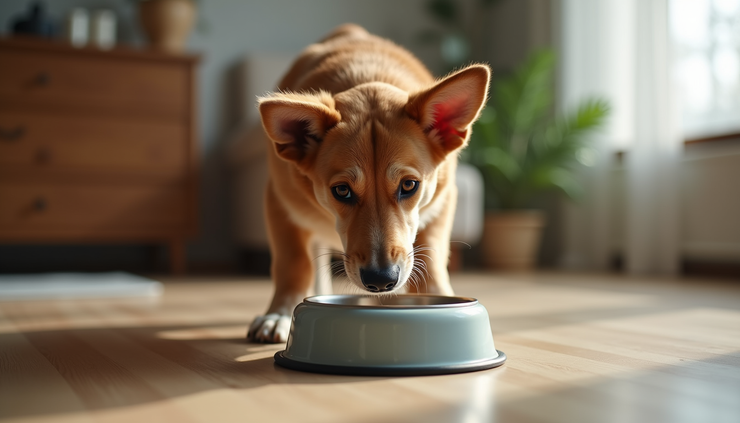
The position of a pet during feeding influences how food travels through the digestive tract. When pets eat from bowls placed flat on the floor, their necks bend downward sharply. This posture can strain the spine and increase the risk of digestive issues such as regurgitation and bloat.
Protecting the Spine and Reducing Gastric Risks
Elevated or angled feeding stations help maintain a more natural alignment of the neck and spine. This posture reduces pressure on the esophagus and stomach, allowing food to move smoothly without backflow. For example:
Dogs with deep chests benefit from raised bowls because this position minimizes the risk of gastric dilatation-volvulus (bloat), a life-threatening condition.
Cats, who often eat smaller meals throughout the day, experience less neck strain and better swallowing mechanics when their bowls are slightly elevated.
Research shows that feeding at an angle between 15 to 30 degrees can improve gastric emptying times and reduce regurgitation episodes. This simple adjustment supports the pet’s anatomy and promotes comfortable digestion.
The Role of Micro-Portion Feeding in Metabolic Health
Beyond feeding position, the size and frequency of meals impact digestion and metabolism. Large meals can overwhelm the digestive system, leading to insulin spikes and metabolic stress. Micro-portion feeding offers a solution by dividing daily food intake into smaller, controlled amounts.
Automated Precision Feeding and Its Benefits
Modern feeding devices can dispense precise micro-portions at scheduled intervals. This approach helps:
Prevent metabolic overload by avoiding sudden large nutrient influxes.
Control insulin levels, reducing the risk of insulin resistance and diabetes.
Support steady energy release, improving overall vitality and weight management.
For example, a cat prone to obesity can benefit from automated feeders that deliver small meals every few hours, preventing overeating and stabilizing blood sugar levels. Similarly, dogs with sensitive digestion respond well to gradual nutrient intake, which reduces gastrointestinal upset.
Practical Tips for Implementing Ergonomic Feeding
To apply these principles at home, consider the following:
Use adjustable feeding stands to find the optimal height for your pet’s size.
Choose bowls with non-slip bases to prevent spills and maintain consistent feeding posture.
Invest in automated feeders that allow portion customization and timing control.
Observe your pet’s behavior during meals and adjust feeding angles or portion sizes if you notice discomfort or digestive issues.
Summary
Feeding your pet is more than just providing food; it involves creating conditions that support healthy digestion and metabolism. Elevated feeding positions protect the spine and reduce risks like regurgitation and bloat. Micro-portion feeding, especially when automated, prevents metabolic overload and controls insulin spikes. These strategies contribute to your pet’s long-term wellness and comfort.
Consider evaluating your pet’s feeding setup today. Small changes can lead to significant improvements in their digestive health and quality of life.
About the Author
Dr. Nath is a veterinary medicine specialist dedicated to advanced pet care, gastroenterology, and tech-driven pet wellness. By combining anatomical physics with modern, automated nutrition systems, she helps pet parents design feeding routines that optimize metabolic health and ensure long-term vitality.


Comments