
The Science Behind Vacuum-Assisted De-shedding and Follicular Health in Pets
Shedding is a natural process for pets, but excessive fur loss and skin issues can frustrate pet owners and affect animal comfort. Understanding the mechanics behind hair growth and shedding cycles reveals why some grooming methods work better than others. Vacuum-assisted de-shedding tools offer a promising approach by targeting dead undercoat without damaging healthy hair or irritating the skin. This post explores the biology of pet fur growth, the risks of trapped dead hair, and how vacuum grooming supports follicular health and a cleaner home environment.
The Hair Growth Cycle in Pets
Pet fur grows through a continuous cycle with three main phases: Anagen, Catagen, and Telogen. Each phase plays a distinct role in hair development and shedding patterns.
Anagen Phase
This is the active growth phase where hair follicles produce new hair cells. The length of this phase determines the length of the pet’s coat. During Anagen, follicles are deeply embedded in the skin, and hair shafts are firmly anchored.
Catagen Phase
A short transitional phase where hair growth slows and follicles shrink. The hair shaft detaches from the blood supply but remains in place. This phase prepares the follicle for shedding.
Telogen Phase
The resting phase where hair follicles are inactive. Old hairs remain in place until they are pushed out by new growth or removed through grooming. This phase is when shedding typically occurs.
Seasonal changes, especially shifts in daylight and temperature, trigger the transition between these phases. For example, many pets shed heavily in spring and fall as their coats adjust to warmer or cooler weather. Hormonal changes and health status can also influence the cycle.
Understanding these phases helps explain why dead undercoat accumulates and why regular grooming is essential to remove loose hairs before they cause problems.
Dermatological Impaction from Dead Undercoat
When dead undercoat hair is not removed, it can trap moisture, dirt, and allergens close to the skin. This creates an environment prone to skin irritation and infections.
Moisture Retention
Dead hair holds moisture against the skin, which can soften the skin barrier and make it vulnerable to bacterial and fungal growth.
Dander and Dirt Accumulation
Trapped dander and dirt increase the risk of allergic reactions and inflammation.
Hotspots and Pyoderma
These are common skin conditions in pets caused by bacterial infections. Hotspots are red, inflamed patches that can be painful and itchy. Pyoderma refers to bacterial skin infections that may require veterinary treatment.
Regular removal of dead undercoat reduces these risks by improving air circulation and skin dryness. It also helps maintain a healthier skin microbiome, which supports the pet’s natural defenses.
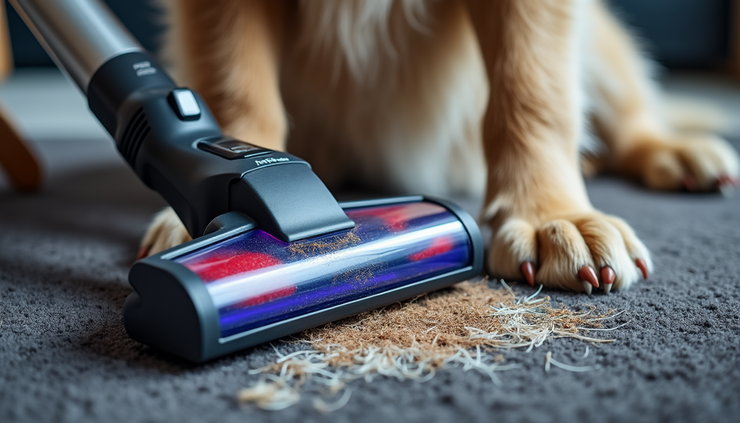
Vacuum grooming tool efficiently removing dead undercoat from pet fur
The Biomechanics of Vacuum Grooming
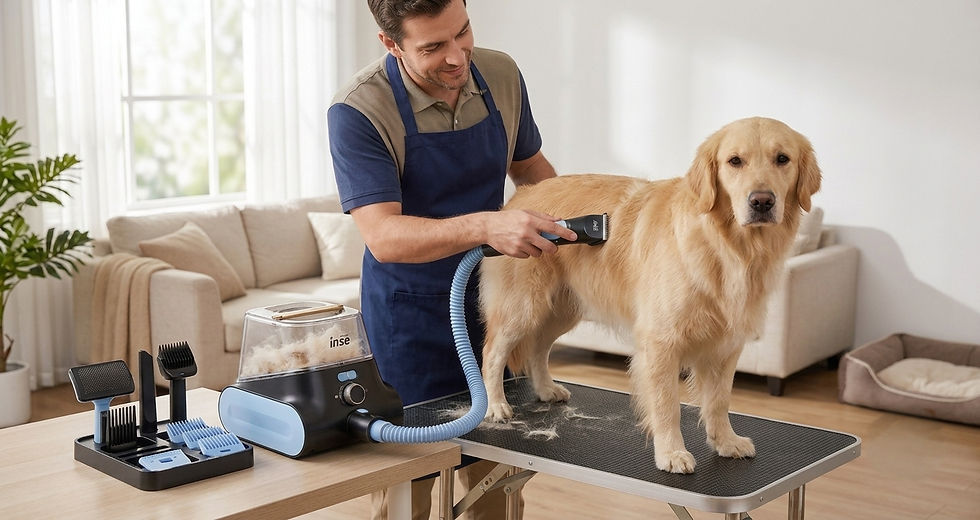
Vacuum-assisted grooming combines mechanical brushing with integrated suction to lift and remove dead hair from the coat. This method offers several advantages over traditional grooming tools.
Efficient Dead Hair Removal
The suction lifts loose undercoat hairs gently but firmly, preventing them from falling onto floors or furniture. This reduces allergens in the home environment.
Protects Healthy Hair Shafts
Unlike harsh brushing or combing, vacuum grooming targets only loose hairs without pulling or breaking healthy hair. This preserves the coat’s integrity and shine.
Improves Skin Health
By clearing dead follicles and debris, vacuum grooming promotes better air flow to the skin and reduces the risk of dermatological issues.
User-Friendly and Time-Saving
The combination of suction and brushing reduces grooming time and effort, making it easier for pet owners to maintain their pet’s coat regularly.
The design of vacuum grooming tools often includes adjustable suction levels and specialized brush heads to suit different coat types. This customization ensures effective grooming without discomfort.
Practical Tips for Using Vacuum-Assisted De-shedding Tools
To maximize the benefits of vacuum grooming, consider these tips:
Choose the Right Tool for Your Pet’s Coat
Long-haired breeds may require different brush heads than short-haired pets.
Start with Low Suction
Begin grooming on a low suction setting to allow your pet to get used to the sensation.
Groom Regularly
Frequent grooming prevents buildup of dead undercoat and reduces shedding peaks.
Monitor Skin Condition
Check your pet’s skin for any signs of irritation or hotspots and consult a veterinarian if needed.
Clean the Tool Often
Remove collected hair from the vacuum chamber to maintain suction efficiency.
Looking Ahead: Technology and Pet Wellness
Vacuum-assisted de-shedding represents a step forward in pet grooming technology. As research continues, we can expect even more refined tools that integrate sensors to monitor coat health or adjust suction automatically based on hair density.
These innovations will support pet owners in maintaining optimal follicular health and reducing allergens in the home. Combining veterinary knowledge with technology creates new opportunities for improving pet comfort and wellness.
Maintaining healthy fur and skin requires understanding the natural hair growth cycle and the risks of dead hair accumulation. Vacuum-assisted de-shedding tools offer a gentle, effective way to remove loose undercoat while protecting healthy hair and skin. Regular use can reduce dermatological problems and keep your home cleaner. Embracing this technology supports both pet health and owner convenience.
About the Author
Dr. Nath is a veterinary medicine specialist dedicated to advanced pet care, animal dermatology, and tech-driven pet wellness. Combining clinical knowledge with advanced grooming biomechanics, she helps pet parents protect the skin barrier and promote follicular health, ensuring maximum comfort for pets and a cleaner home environment.
Comments