
Trimming Without Trauma: Essential Tips for Grooming Reactive Pets with Empathy and Care
Grooming a pet can be a stressful experience, especially when the animal reacts with fear or anxiety. Many pets develop trauma around grooming due to past negative experiences or natural sensitivities. This stress can make routine care difficult and even dangerous for both pet and owner. Understanding why pets become reactive and how to approach grooming with empathy and the right tools can transform these sessions into calm, manageable moments.
This post explores the psychology behind pet reactivity during grooming, offers veterinary-approved desensitization protocols, and highlights how advanced ergonomic tools reduce stress triggers. The goal is to provide practical, step-by-step guidance that helps pet owners groom their reactive companions safely and compassionately.
The Psychology of Reactivity in Grooming
Pets often develop anxiety or trauma related to grooming because the experience involves several stress-inducing factors:
Fear of Constraints: Many pets dislike being held still or restrained. The feeling of confinement can trigger panic or defensive behavior.
Loud Noises: Clippers, dryers, and vacuum cleaners produce sounds that can be overwhelming, especially for animals with sensitive hearing.
Unfamiliar Touch and Sensations: Grooming involves touching areas pets may not be used to, sometimes causing discomfort or confusion.
Past Negative Experiences: Pets that have been hurt or frightened during grooming sessions may associate the process with pain or fear.
Understanding these triggers helps owners approach grooming with patience and care. Reactivity is not stubbornness; it is a natural response to perceived threats. Recognizing this is the first step toward reducing trauma.
Clinical Desensitization Protocols for Grooming
Veterinary behaviorists recommend gradual desensitization to prepare reactive pets for grooming. This process involves slowly introducing the pet to grooming-related stimuli in a controlled, positive way. Here is a step-by-step protocol you can follow at home:
Step 1: Create a Calm Environment
Choose a quiet, familiar space free from distractions.
Use soft lighting and maintain a comfortable temperature.
Have treats and favorite toys ready to reward calm behavior.
Step 2: Introduce Grooming Tools Without Use
Place grooming tools like brushes, combs, and clippers in the pet’s environment.
Allow the pet to sniff and explore these items without turning them on.
Reward curiosity and calm interaction with treats.
Step 3: Gradual Sound Acclimation
Turn on clippers or vacuum trimmers at a distance where the pet remains relaxed.
Gradually decrease the distance over several sessions.
Pair the sound with treats or play to build positive associations.
Step 4: Gentle Handling Practice
Touch and hold the pet’s paws, ears, and other sensitive areas briefly.
Use slow, gentle movements and reward calmness.
Increase the duration of handling over time.
Step 5: Simulate Grooming Movements
Use a brush or comb to gently stroke the pet without pressure.
Mimic clipping motions without turning on the device.
Continue rewarding calm behavior.
Step 6: Short Grooming Sessions
Begin with very brief grooming periods using the actual tools.
Stop before the pet shows signs of stress.
Gradually increase session length as tolerance improves.
Step 7: Consistency and Patience
Repeat these steps daily or several times a week.
Keep sessions positive and end on a good note.
Avoid forcing the pet, which can worsen anxiety.
This protocol requires time and dedication but builds trust and reduces trauma over weeks or months.
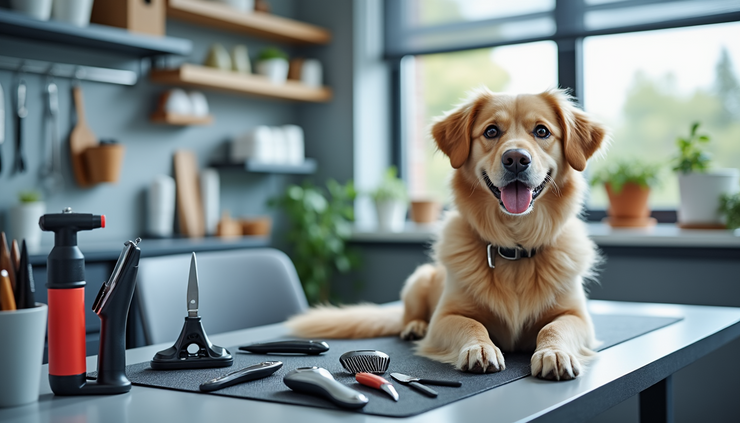
Calm grooming setup with ergonomic tools designed to reduce pet stress
The Role of Advanced Tools in Stress-Free Grooming
Using the right tools can make a significant difference in reducing grooming-related anxiety. Traditional clippers and dryers often produce loud, high-pitched noises and vibrations that trigger fear. Modern ergonomic tools address these issues effectively.
Ultra-Silent Vacuum Trimmers
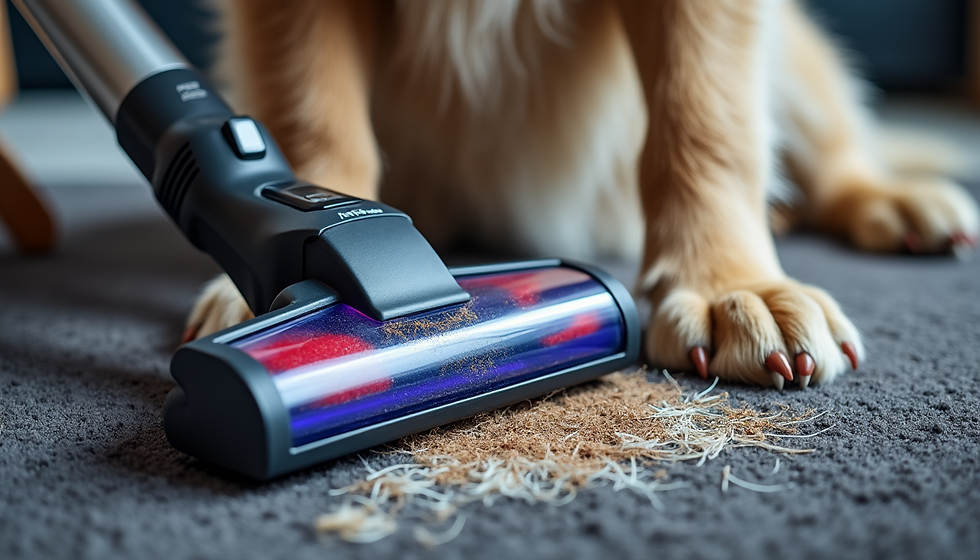
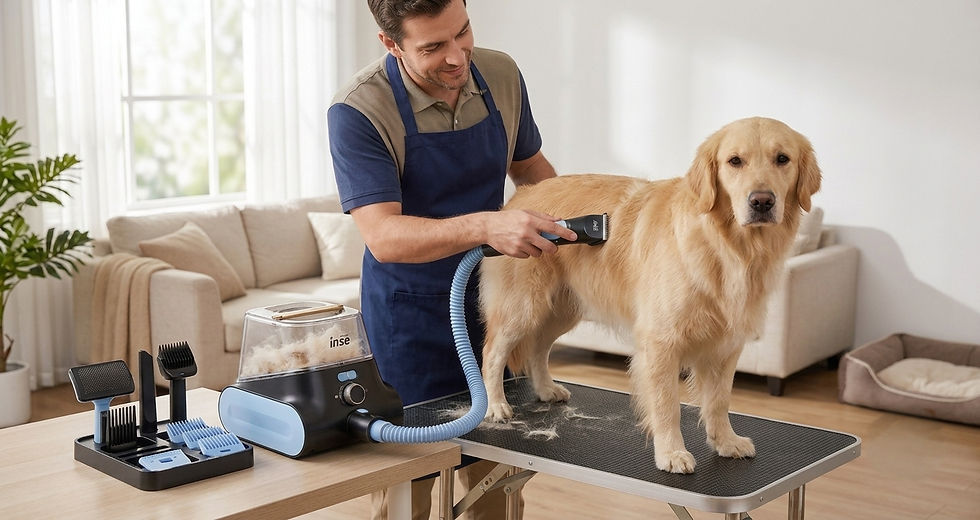
Devices like the VacuTrim Elite and VacuGroom combine grooming and vacuuming to remove loose hair instantly while operating at very low noise levels. Benefits include:
Reduced Noise: These trimmers operate quietly, minimizing auditory stress.
Hair Removal: The vacuum function prevents hair from flying around, which can irritate pets.
Less Vibration: Smooth motor operation reduces physical discomfort.
Improved Safety: The vacuum suction helps keep the skin taut, reducing accidental nicks.
Ergonomic Handling Techniques
How you hold and position your pet during grooming matters. Ergonomic handling focuses on:
Comfortable Restraint: Using gentle, supportive holds that avoid pressure points.
Proper Tool Grip: Holding clippers and brushes in a way that allows smooth, controlled movements.
Body Positioning: Keeping the pet at a comfortable height and angle to reduce strain for both pet and groomer.
Breaks and Movement: Allowing the pet to shift position or take breaks to avoid tension buildup.
Combining these tools and techniques removes many common stress triggers, making grooming a more positive experience.
Practical Tips for Grooming Reactive Pets
Start Slow: Begin with short sessions and gradually increase time.
Use Treats: Reward calm behavior consistently.
Stay Calm: Pets pick up on your emotions; remain relaxed.
Schedule Wisely: Groom when your pet is naturally calm, such as after exercise.
Seek Professional Help: If anxiety is severe, consult a veterinary behaviorist.
Grooming reactive pets requires understanding, patience, and the right approach. By recognizing the psychological roots of reactivity, following clinical desensitization protocols, and using advanced ergonomic tools, you can transform grooming from a source of trauma into a routine of care and comfort. This approach not only improves your pet’s well-being but also strengthens the bond you share.
About the Author
Dr. Nath is a veterinary medicine specialist dedicated to advanced pet care, animal behavior, and tech-driven pet wellness. Combining her clinical expertise with low-stress handling techniques, she empowers pet parents to transform potentially traumatic routines into moments of bonding, safety, and mutual trust.
Comments