
Understanding the Risks of Incorrect Pet Drying: Protecting Your Dog and Cat's Skin Health
Proper drying after a bath or grooming session is essential for your pet’s health. Yet, many pet owners and groomers overlook the risks that come with incorrect drying techniques. Using high heat or aggressive drying methods can harm your dog or cat’s skin, disrupting their natural ability to regulate temperature and maintain a protective barrier. This post explores the science behind pet skin physiology, the dangers of traditional drying methods, and how modern technology can safeguard your pet’s skin health.
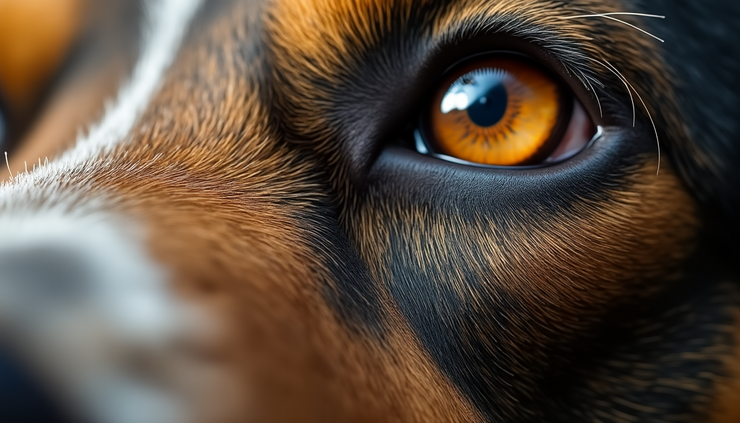
Pet Skin Physiology: How Canine and Feline Skin Differs from Human Skin
Understanding why pets’ skin reacts differently to drying starts with their unique skin structure and chemistry. Dogs and cats have skin that differs significantly from humans in several key ways:
pH Balance
Human skin typically has a slightly acidic pH around 5.5, which helps maintain a healthy microbiome and barrier function. In contrast, canine and feline skin tends to be more neutral to slightly alkaline, with pH values ranging from 6.2 to 7.4. This difference means their skin is more sensitive to products and environmental factors that disrupt this balance.
Thickness and Layers
The epidermis, the outermost skin layer, is thinner in dogs and cats compared to humans. For example, the canine epidermis is roughly 20-30 microns thick, while human epidermis can be 50-100 microns. This thinner layer provides less protection against heat and mechanical stress.
Lipid Barrier Composition
The lipid barrier in pet skin, composed of ceramides, fatty acids, and cholesterol, plays a critical role in preventing water loss and blocking pathogens. This barrier is more delicate in pets, making it vulnerable to damage from heat and harsh drying methods.
Thermoregulation
Unlike humans, dogs and cats rely heavily on their skin and respiratory system to regulate body temperature. Their skin contains sweat glands primarily on paw pads and noses, but most heat dissipation occurs through panting and blood flow changes in the skin. Damage to the skin barrier can impair this process, leading to overheating or thermal stress.
These physiological differences mean that pet skin requires gentler care, especially during drying, to avoid compromising its protective functions.
The Danger of High Heat in Traditional Drying Methods
Many pet owners and groomers use high-velocity dryers that blow hot air at intense speeds to speed up drying time. While efficient, these dryers pose several risks to pet skin health:
Damage to the Lipid Barrier
High heat can strip away essential lipids from the epidermis. This loss weakens the skin’s ability to retain moisture, leading to dryness, flaking, and increased susceptibility to infections.
Thermal Stress and Burns
Pets cannot communicate discomfort as clearly as humans. Prolonged exposure to hot air can cause thermal burns or irritate the skin, especially in areas with thinner fur or sensitive skin like the belly and ears.
Disruption of Thermoregulation
Excessive heat interferes with the pet’s natural cooling mechanisms. Overheating can cause stress responses such as increased heart rate and panting, which may escalate to heat exhaustion in severe cases.
Mechanical Damage from High-Velocity Air
The force of high-speed air can tangle or break fur, causing discomfort and potential skin abrasions. This mechanical stress further compromises skin integrity.
For example, a study published in the Journal of Veterinary Dermatology found that dogs dried with high-temperature dryers showed increased signs of skin irritation and lipid barrier disruption compared to those dried with gentler methods.
Precision Airflow Technology: A Safer Approach to Pet Drying
Advances in pet grooming technology have introduced drying systems designed to protect skin health by controlling temperature and airflow volume precisely. These systems offer several benefits:
Low-Temperature, High-Volume Airflow
Instead of blasting hot air, these dryers use large volumes of air at lower temperatures. This approach speeds evaporation without overheating the skin or stripping lipids.
Controlled Vacuum Drying
Vacuum drying gently removes moisture by drawing water away from the fur and skin surface. This method reduces the need for heat and minimizes mechanical stress on the coat.
Even Air Distribution
Precision airflow systems distribute air evenly across the pet’s body, avoiding hot spots and reducing the risk of localized burns or irritation.
Preservation of Skin Barrier
By maintaining a stable temperature and gentle airflow, these technologies help preserve the lipid barrier and support natural thermoregulation.
For example, a grooming salon using precision airflow dryers reported fewer cases of post-grooming skin irritation and improved coat condition in their canine and feline clients. This technology aligns with veterinary dermatology recommendations for skin-friendly grooming practices.
Practical Tips for Protecting Your Pet’s Skin During Drying
Use dryers with adjustable temperature settings and avoid the highest heat options.
Keep the dryer moving constantly to prevent heat buildup in one area.
Allow natural air drying in shaded, well-ventilated spaces when possible.
Monitor your pet’s behavior for signs of discomfort such as panting, whining, or restlessness.
Consult your veterinarian or professional groomer about the best drying methods for your pet’s skin type and coat condition.
Summary
Incorrect pet drying methods, especially those involving high heat and aggressive airflow, pose real risks to your dog or cat’s skin health. Their unique skin physiology makes them vulnerable to damage that can disrupt thermoregulation and the protective lipid barrier. Using modern precision airflow technology and gentle drying techniques helps maintain skin integrity and supports your pet’s overall well-being. Protect your pet by choosing drying methods that respect their skin’s delicate balance.
About the Author
Dr. Nath is a veterinary medicine specialist dedicated to advanced pet care, animal dermatology, and tech-driven pet wellness. Combining her deep understanding of pet physiology with modern innovation, she advocates for science-backed grooming practices that protect and preserve the delicate health of our companions.
Comments